
The temporomandibular joint is not one that you may be familiar with despite it being one that we use a lot. This particular joint is one of the most complex in the body, and is used to connect your jawbone to your skull. It works by acting as a hinge, allowing the jaw to move up and down and side to side, in a smooth manner. Every single time you chew, talk, yawn, or swallow, you have to use your temporomandibular joint.
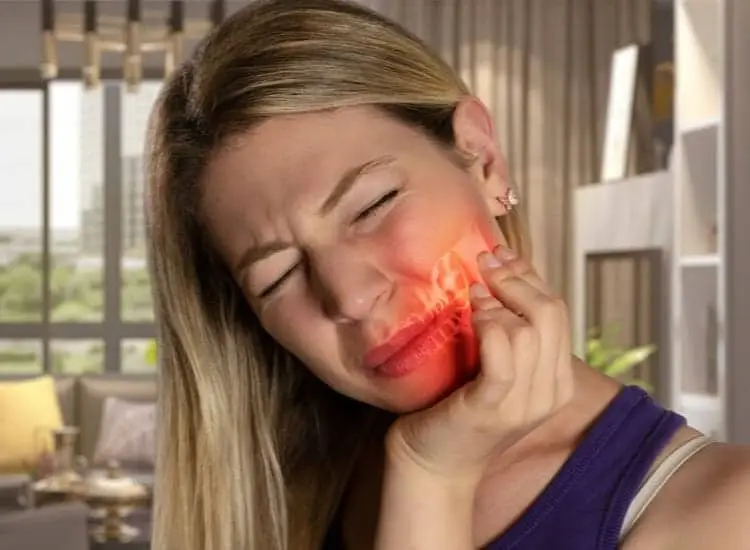
In order to keep the movement smooth, there is cartilage between the joint and the bones. When your muscles are irritated, when the disc is displaced, or if you have joint disease, you may experience a disruption in the smoothness of the jaw’s hinging motion. This is why the most common type of discomfort comes in the form of muscle tenderness, joint tenderness, popping, or clicking of the joint. Depending on what the cause of the discomfort is, the individual will experience a different type of pain.
There are factors that will increase your likelihood of developing TMJ, such as stress, jaw injuries, or the grinding/clenching of teeth.
A dentist will do a thorough examination and suggest a treatment plan that may include relaxation techniques, a night guard, or a referral to a specialist in temporomandibular joint disorders. A dentist can also provide enamel reshaping, dental crowns, and dental braces to help stabilize and relax your bite.
If you have any questions regarding a TMJ treatment or think you may be experiencing TMJ, call us today at (813) 333-1922 to schedule a free consultation. We will identify the source of pain and recommend the best treatment plan going forward.