

There are two types of tooth extraction procedures, the first being a simple extraction and the second being a surgical extraction.
One of the major risks that are routinely associated with a tooth extraction is the formation of dry sockets. This is a complication that occurs after tooth extraction and can be incredibly painful. When a tooth is removed, a blood clot will form in the place where the tooth was as a way to protect the underlying bone, nerves, and tissues. When the blood clot becomes loose and gets dislodged too early or does not form at all, the nerves and underlying bone is exposed to air, food, and liquids. Although there isn’t a certain or specific cause as to why dry sockets form, there are some risk factors that contribute to their formation including, smoking, poor oral hygiene, chewing tobacco, oral contraceptives, infections around the extraction site, and using a drinking straw within forty-eight hours of the tooth extraction.
Common symptoms of dry sockets include a bad taste in your mouth, foul-smelling breath, pain that radiates from your tooth socket to your neck/ear/eye or temples, a missing blood clot at the extraction site and bone that is visible at the extraction site. Although it is normal to have pain and discomfort after a tooth extraction, if you have severe pain or worsening pain, then a dry socket may be the cause.
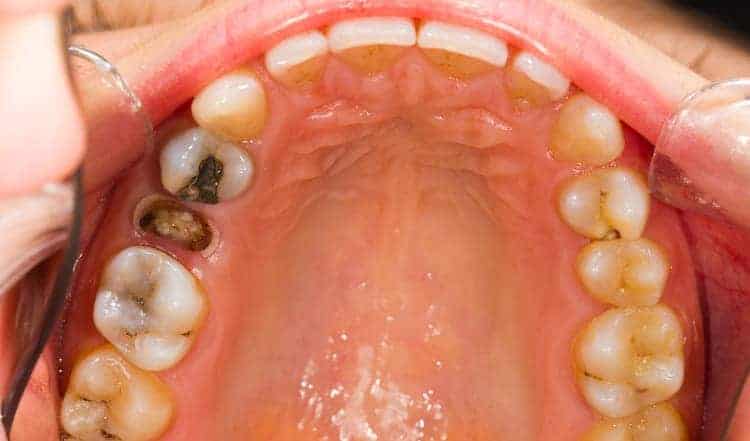
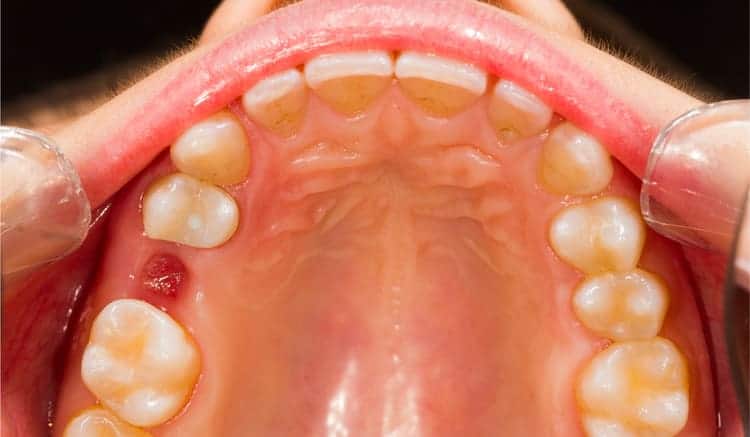
Permitting that you do not have any complications, it will generally take up to four weeks for the tissue to heal and up to six months for the underlying bone to heal. It will take approximately twenty-four hours for the bleeding to stop, however, you may have minor incidents of bleeding for a week or so afterward. After the first week, swelling should go down significantly and the pain you feel should be minor. If you have bleeding for longer than two weeks, it is recommended that you get in touch with your dentist’s office to have the extraction site examined.
During the first twenty-four hours, a soft diet is recommended as you do not want to aggravate the wound. Once the numbness has worn off and the first twenty-four hours have gone by, you may be able to eat soft, cool foods. However, one must avoid eating hot, crunchy, and spicy foods. Always chew on the opposite side of the mouth until significant healing has taken place. If you have had multiple extractions done at the same time, you should remain on a liquid diet for as long as possible.
When it comes to our patient’s needs, we focus solely on a results-oriented approach that ensures our patients receive the outcome they desire while simultaneously receiving the best treatment possible for the problem at hand. When in our care, we place the utmost significance on healing, on functional oral health, and on knowledge and understanding of the services offered. We want you to walk away with a healthy and happy smile. If you have any questions regarding a tooth extraction or think you may need a tooth extracted, call us today at (813) 333-1922 to schedule an appointment.